Author: Leonardus

  • The iPhone 18’s Delay Is Reconfirmed by Another Report

    The iPhone 18’s Delay Is Reconfirmed by Another Report

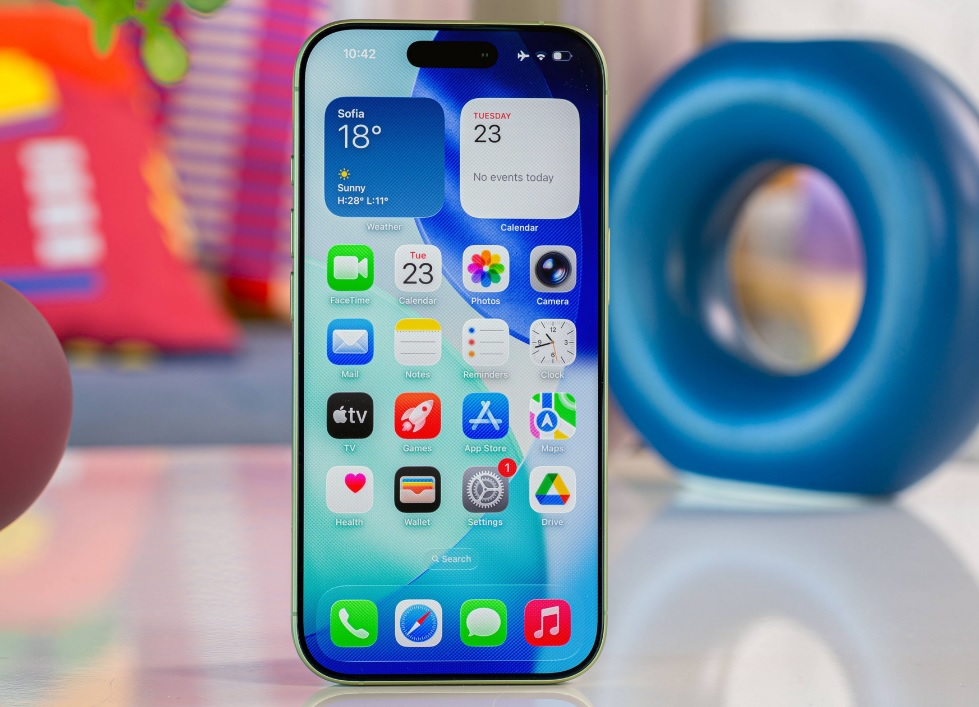
    We’ve already heard a few times that Apple plans to delay the vanilla iPhone 18 until next spring, not releasing it alongside the iPhone 18 Pro and Pro Max this fall.

    This rather unusual delay, representing an important shift in Apple’s release strategy, is now confirmed by yet another report from Asia that just came out. The iPhone 18 Pro and 18 Pro Max will launch on time in the fall, and the iPhone Fold will be announced alongside them.

    The iPhone 18, according to this new report we got, is only scheduled to come out at some point in the first half of next year. The move “is intended to optimize resources and maximize revenue and profits from premium models amid surging prices for memory chips”, multiple sources have told Nikkei Asia. The next iPhone Air may arrive alongside the iPhone 18 in 2027.

    It’s also apparently critical for Apple to “minimize any potential production hiccups while mass-producing its first-ever foldable iPhone”, according to the same people. The shift in the release strategy could help Apple better manage supply chain resources.

  • China’s Surge In Electric Vehicle Exports Raises Concerns In Brazil

    China’s Surge In Electric Vehicle Exports Raises Concerns In Brazil

    China's leading electric vehicle manufacturer, BYD, is rapidly expanding its presence in Brazil by exporting tens of thousands of affordable electric and hybrid cars to a market where green vehicles are still emerging. In early 2025, Brazil imported approximately 22,000 Chinese vehicles, with total imports projected to reach 200,000 by the end of the year, accounting for 8% of the country's light-vehicle registrations.

    This influx has raised alarms among Brazilian automakers and labor unions, who fear potential job losses and diminished local investments. In response, they are urging the government to expedite a planned tariff increase—from 10% back up to 35% on EVs—to discourage imports and promote domestic production.

    BYD had initially planned to commence local production by converting a former Ford plant in Bahia. However, labor violations have delayed this timeline until late 2026. Similarly, another Chinese automaker, GWM, has postponed its local production plans. Critics argue that these companies are not fostering a local supply chain or creating substantial value domestically.

    The Brazilian government faces the challenge of balancing its green objectives with industrial protectionism, especially as Chinese imports dominate over 80% of the nation's EV market. This situation is particularly pressing as Brazil prepares to host the COP30 climate summit. While local production plans are progressing slowly, Chinese imports continue to drive Brazil's EV transition.

    In related developments, the U.S. Supreme Court recently ruled 7-2 in favor of fuel producers challenging California's vehicle emissions standards under a federal air pollution law. This decision allows industry groups to pursue claims that the Environmental Protection Agency overstepped its authority, potentially impacting the future of stringent emissions regulations in the U.S.

    Additionally, a recent survey by Shell indicates that consumer willingness to switch from combustion engine vehicles to electric vehicles is declining, with Europe experiencing a more significant drop than the United States. The survey highlights vehicle cost as the primary barrier to adoption, as EVs remain up to 30% more expensive than traditional cars.

    These developments underscore the complex dynamics of the global EV market, where international trade policies, local production capabilities, and consumer preferences are continually evolving.
  • Amazon's Current And Previous CEO

    Amazon's Current And Previous CEO

    The last two CEOs of Amazon are:

    1. **Andy Jassy** (Current CEO)
    2. **Jeff Bezos** (Previous CEO)

  • Twitter's Recent Leadership: The Last Two CEOs

    The last two CEOs of Twitter (now X) have been **Parag Agrawal** and **Elon Musk**.

    Parag Agrawal served as CEO from November 2021 until Elon Musk's acquisition of the company in October 2022. Elon Musk then became the CEO following the acquisition.

  • Electric Vehicle Industry Faces Uncertainty Amid Policy Shifts And Market Dynamics

    The electric vehicle industry is navigating a period of significant uncertainty as policy changes and market dynamics influence its trajectory. The recent election of President Donald Trump has introduced potential challenges for the sector, particularly concerning federal tax incentives and emissions standards. Trump’s transition team has proposed rolling back support for EVs, including eliminating the $7,500 tax credit for EV purchases and revisiting emissions and fuel economy standards. These proposed changes aim to bolster the fossil-fuel car industry and address national security concerns related to critical mineral supplies from China.

    Despite these policy shifts, the automotive industry remains committed to the transition toward electric vehicles. Since 2021, automakers have invested at least $160 billion in EV development, signaling a strong dedication to electrification. Companies like General Motors, Ford, and Stellantis continue to prioritize EV production, focusing on long-term objectives despite potential policy changes. This commitment underscores the industry’s belief in the future of electric mobility, regardless of the political landscape.

    Internationally, the EV market is experiencing varied growth. In China, EVs accounted for 50% of new car sales in July 2024, driven by domestic companies like BYD. Europe and the United States have also seen substantial growth, with the global EV market expanding by 25% year-over-year, reaching an estimated 15.2 million EVs sold worldwide by November 2024. Norway continues to lead with 90% of new cars being electric.

    In the United States, Tesla’s Model Y and Model 3 remain the best-selling EVs, with Tesla maintaining a 17% global EV market share. However, the company’s dominance is being challenged by other automakers like GM, Ford, and Honda, which are offering more diverse and affordable options. Despite increased competition, Tesla remains the most valuable auto company globally, with a market value of $1.4 trillion.

    As the EV industry continues to evolve, it faces a complex landscape shaped by policy decisions, market competition, and technological advancements. Stakeholders across the automotive sector are closely monitoring these developments, striving to adapt and thrive in an increasingly electrified future.